
With everything going on in our world right now you might have suddenly found yourself at home all day with your child and little (or zero) time to prepare. Don’t worry! There are lots of ideas floating around the internet for quick and easy things you can do with your child to keep their hands and mind busy. With the weather in Oklahoma adding to the chaos, we have been hunting for enriching ideas to keep littles entertained and break the stir-crazy. Not only are these great ideas for engaging in educational conversation with your little, but many open-ended activities can create hours of independent play, hopefully giving you a few minutes to get some things done too. Here are a few of our favorite ways to play indoors.

Sensory Bins
Create a sensory activity with things you have on hand. Dried beans, uncooked rice, pebbles, buttons, feathers, google eyes, cooked spaghetti noodles, sequins, glass gems, cereal, pom pom balls, seeds, corn kernels, sand, cut ribbons, legos, and so many more things can be used. The options are truly endless. Throw in some measuring cups, spoons, bowls, small baskets, child tweezers, and anything else they can use to pick up and sort. You can theme the activity if you want to get fancy with it. Add plastic bugs, butterflies, and fabric flowers to make an insect sensory bin. Seashells and sea glass in sand make a great beach themed bin. Fruit and veggie toys in your choice of substrate make a garden activity. Practice planting seeds, pretending to water them, then harvest the “food” you grew together. Sensory bins are open-ended, but they are also great teaching aids. You can identify colors with your toddler/ preschooler, practice counting, or addition + subtraction, sort by size, shape, texture, color, etc. Children use their creativity and senses for open-ended play, and because most children are natural kinesthetic learners, this kind of activity is more meaningful. We like to start our sensory time with learning conversation, then allow the child to freely explore as they feel creatively led to do so.
Not only are sensory bins great for learning about the things I mentioned above, but they are also developing fine motor skills- Pinching, squeezing, stacking, developing muscles and coordination that helps improve cutting and writing skills.
Give a sensory activity a try!
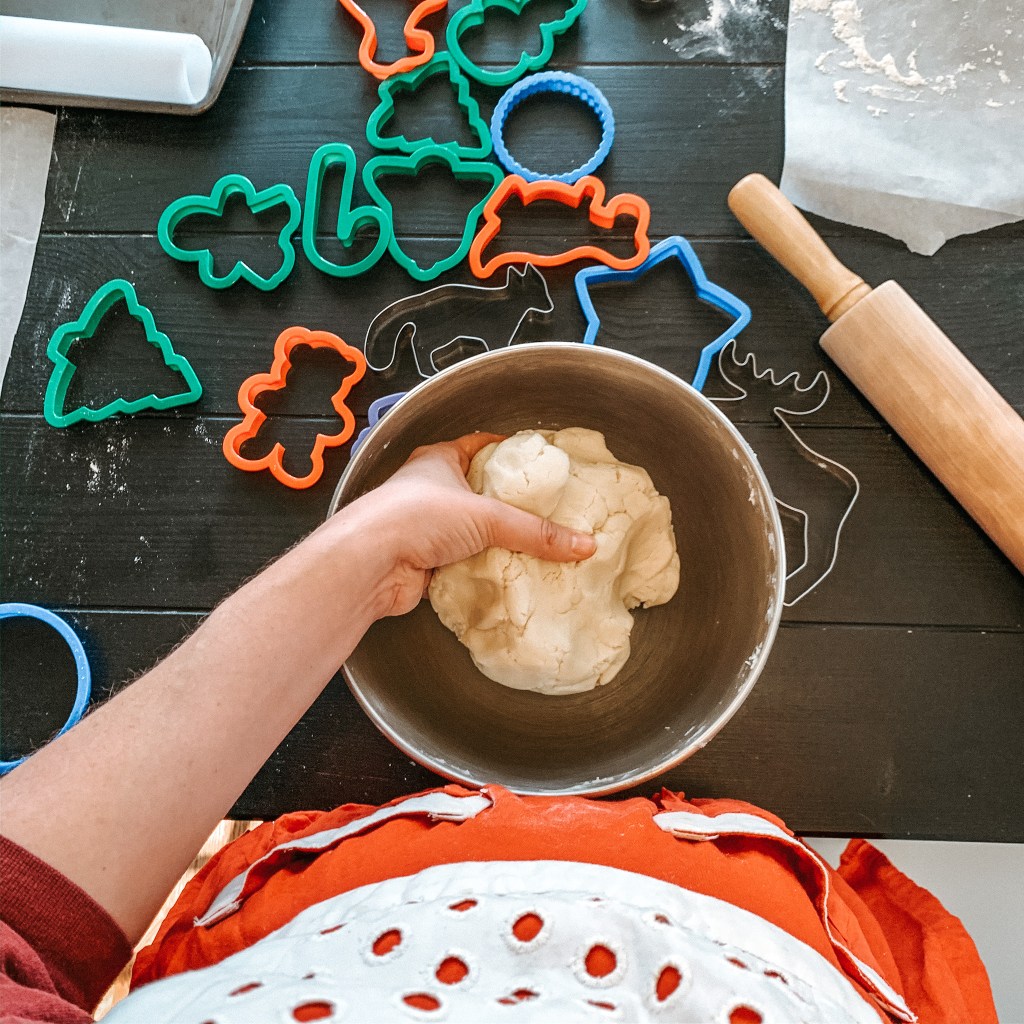
Homemade Play Dough
There are LOTS of recipes out there for homemade dough. Even if you don’t have things like cream of tartar hanging around your kitchen (honestly who keeps that in their spice cabinet?) it is a simple and easy item to make yourself or let your kids help! We like to add essential oils like lavender for calm play, lime for an invigorating activity, or thieves for the immune system benefits. Plus it smells like Christmas.
Use dough stamps, rollers, cookie cutters, and even natural materials like pinecones and sticks. Let littles explore textures, make unique and interesting patterns, even create a woodland scene or fairy house. Another great open-ended activity we love.
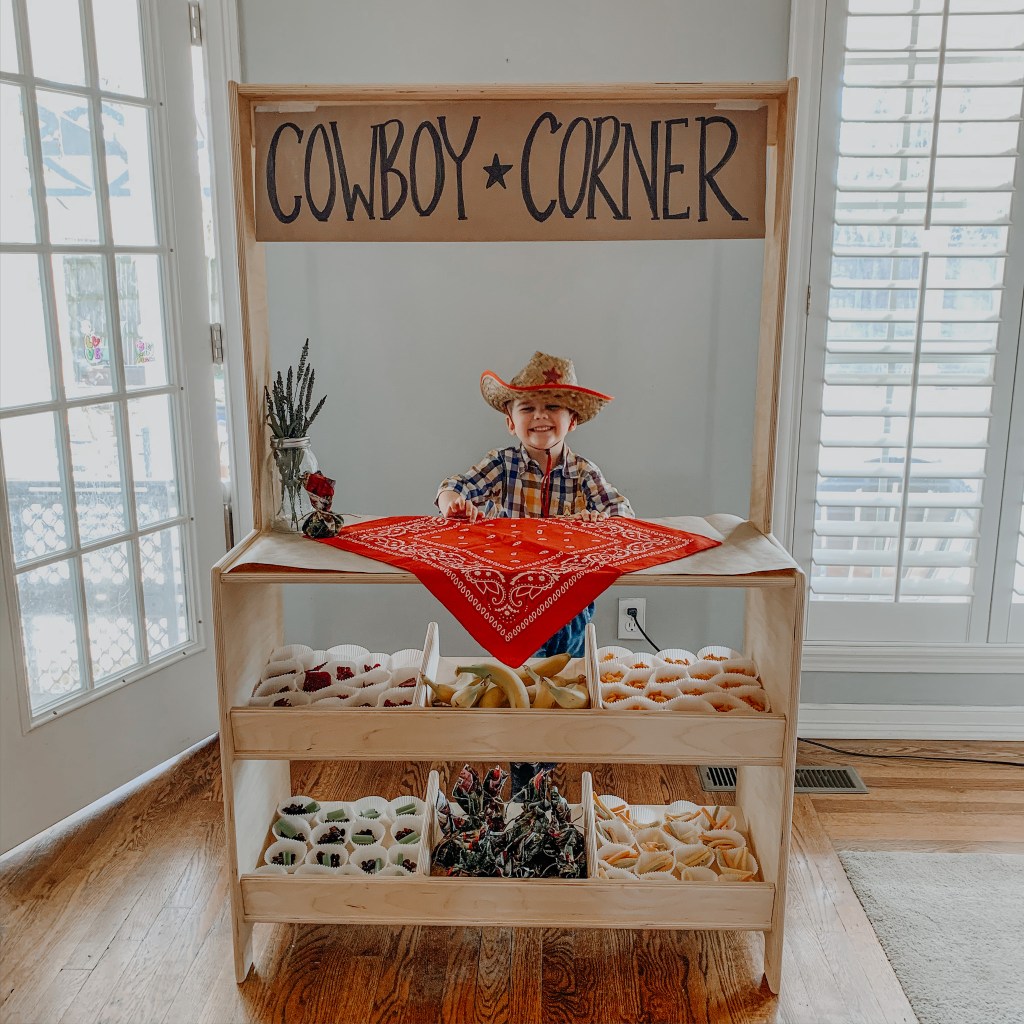
Market Stand Pretend Play
This has become one of our favorite ways to pretend play! Simply set up a desk or small table to act as the market stall and take turns being the shopper and shopkeeper. The type of shop is up to you! Some of our kids’ favorites are farmer’s market, toy store, flower shop, rock and gem shop, book store, and lemonade stand. If you have a play cash register and play money, it is also a great opportunity to talk about our currency and introduce littles to concepts like counting change, stocking inventory, profits, bartering, and more. Determine conversation points by their age and understanding.

Alphabet Hide and Seek
Write uppercase, lowercase, cursive letters, and/or numbers on sticky notes and hide them around the room or house. Have your child seek out each note, then line them up in the correct order. For multiple children, create two sets of notes in different colors, assigning one color to each child. Letters can be the same or alternating between colors to complete one full alphabet or sequence. Have the children work together to find all the notes and line them up correctly. I love activities that promote teamwork and opportunities to grow the bond between siblings.
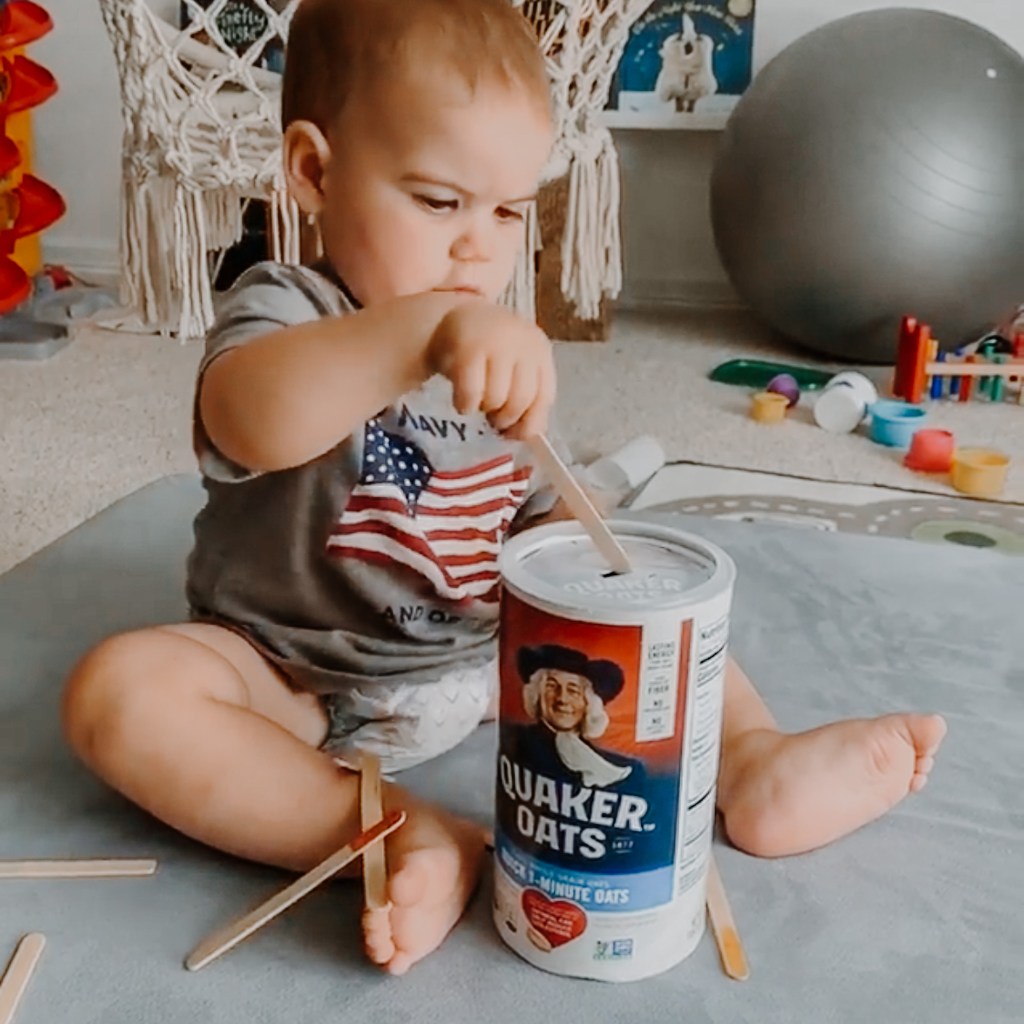
Sticks in a Can
An empty oatmeal canister and some popsicle sticks are all you need for this toddler activity. Simply cut a slit in the lid and instruct your little one to place the sticks through the hole. Such an easy activity that kids LOVE and keep them entertained long enough for you to make lunch. Another great fine motor skill activity that is great for focus! More ways to play: For the older toddler or preschooler, color the ends of the sticks in different colors and instruct them to only place certain colors in the can at a time. Can also write letters, numbers, or whatever you are teaching at the moment.
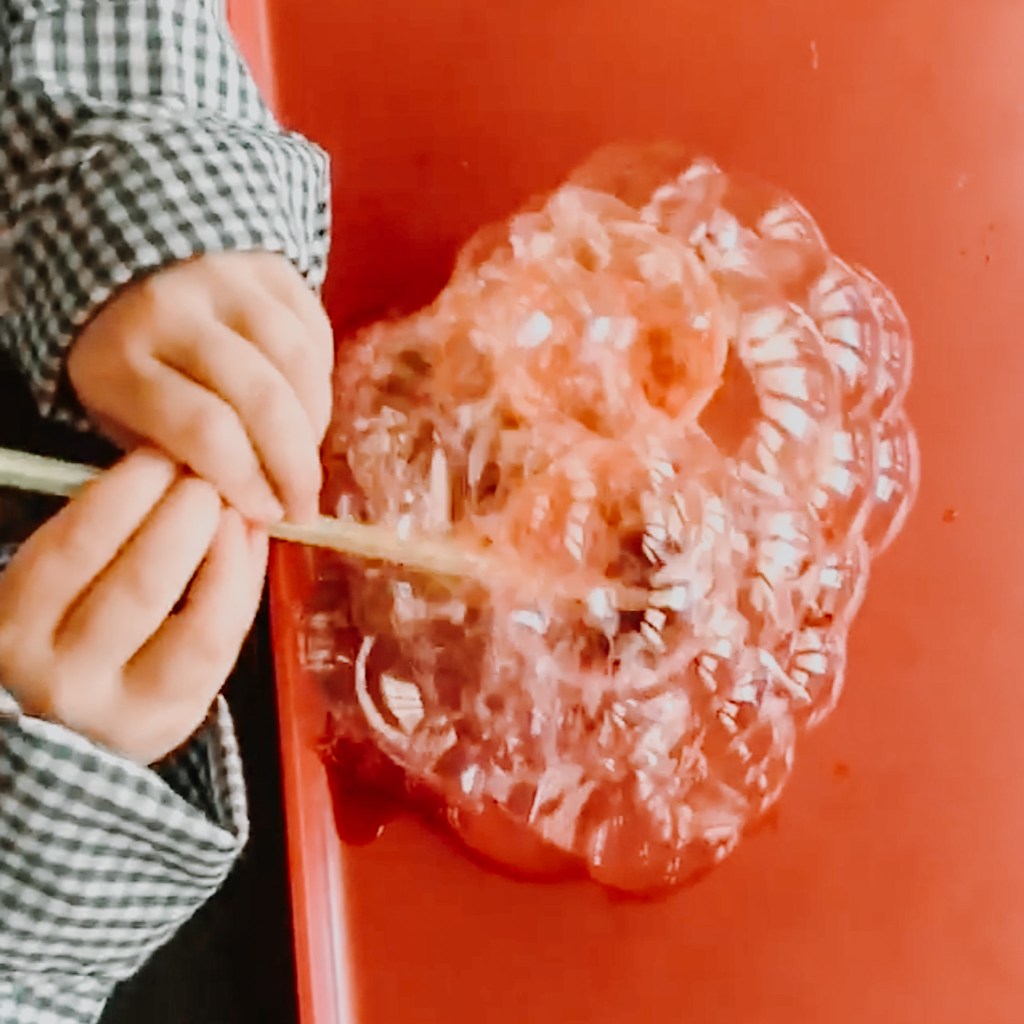
Bubble Paint
A fun spin on watercolor! Put some watercolor paint into a small cup and fill with water, mixing together. Give your child a straw and some paper, instructing them to blow big bubbles! They can touch a piece of paper to the bubbles to create a piece of art with unique texture. More ways to play: We did this activity during our ocean study unit to create a coral / water background. Leave the art as is or have them paint in fish and other sea life once it has dried.
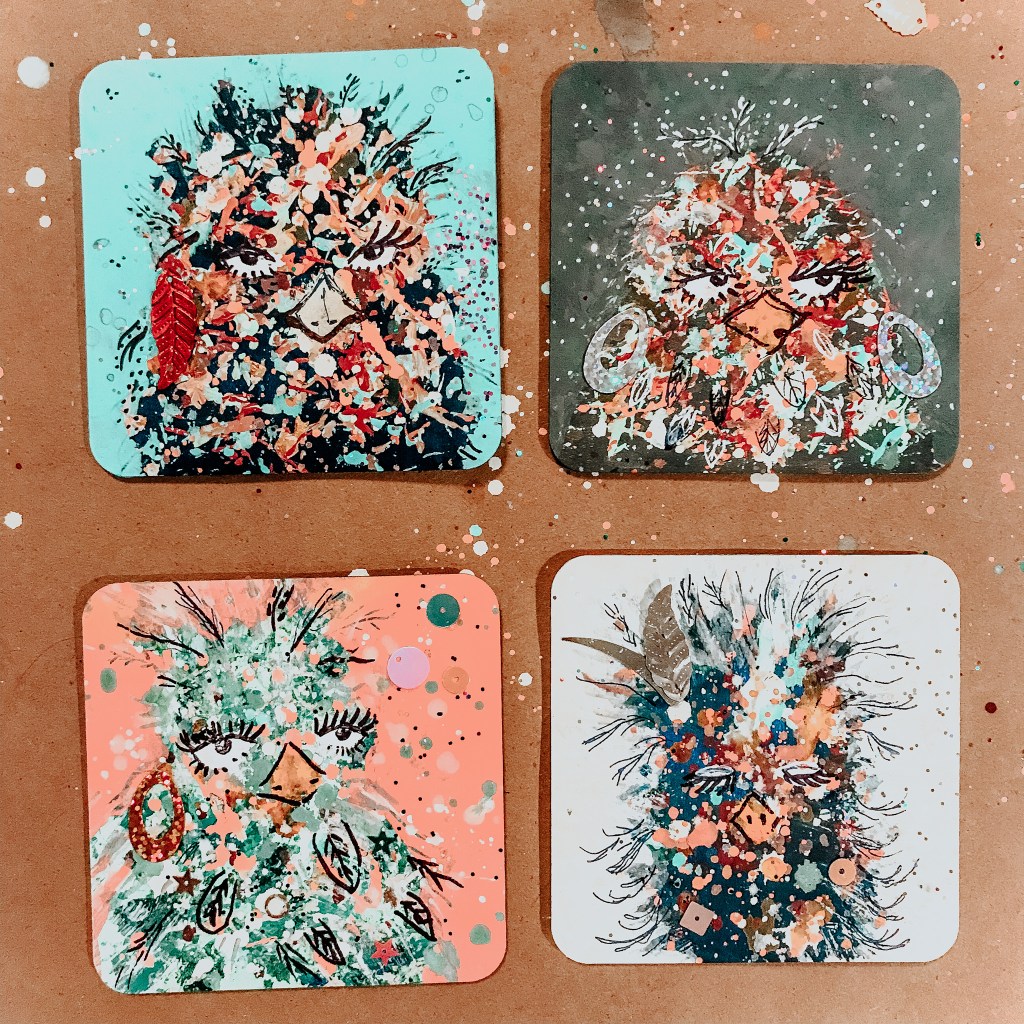
Disco Chicks
You don’t need to have an ounce of creative skills to whip out a box of paints and start splattering it on paper, wood slices, canvas, fabric, or anything else. Plus your kids will love getting messy and expressing their inner silly artist! We make disco animal ornaments every year for Christmas, but these are so fun any time of the year. We have made disco chickens, disco dinos, and disco bugs, but the final product can be anything your littles dream up. Use old brushes, wiggly spaghetti noodles, bits of tinsel or ribbon, leaves, sticks and other foliage, and anything else you can think of, dip in washable acrylic paint (for real though get the washable kind) and start splattering, dotting, dripping, and flinging. You can paint the dried splat-work in the negative space (around the edges of the shape you want to make, ie- a chicken like these). Glue on sequins, pom pom balls, ribbons, google eyes, and glitter. This should be MESSY! Make sure to put down a drop cloth or Kraft paper, smocks, trays, and if the glitter is out of control, the hand vac. Sometimes, a little mess is exactly the kind of thing our kids need to express themselves and feel free to be a kid.
Control the mess: These trays have raised edges, and are flexible so you can pour any liquids that spill out.


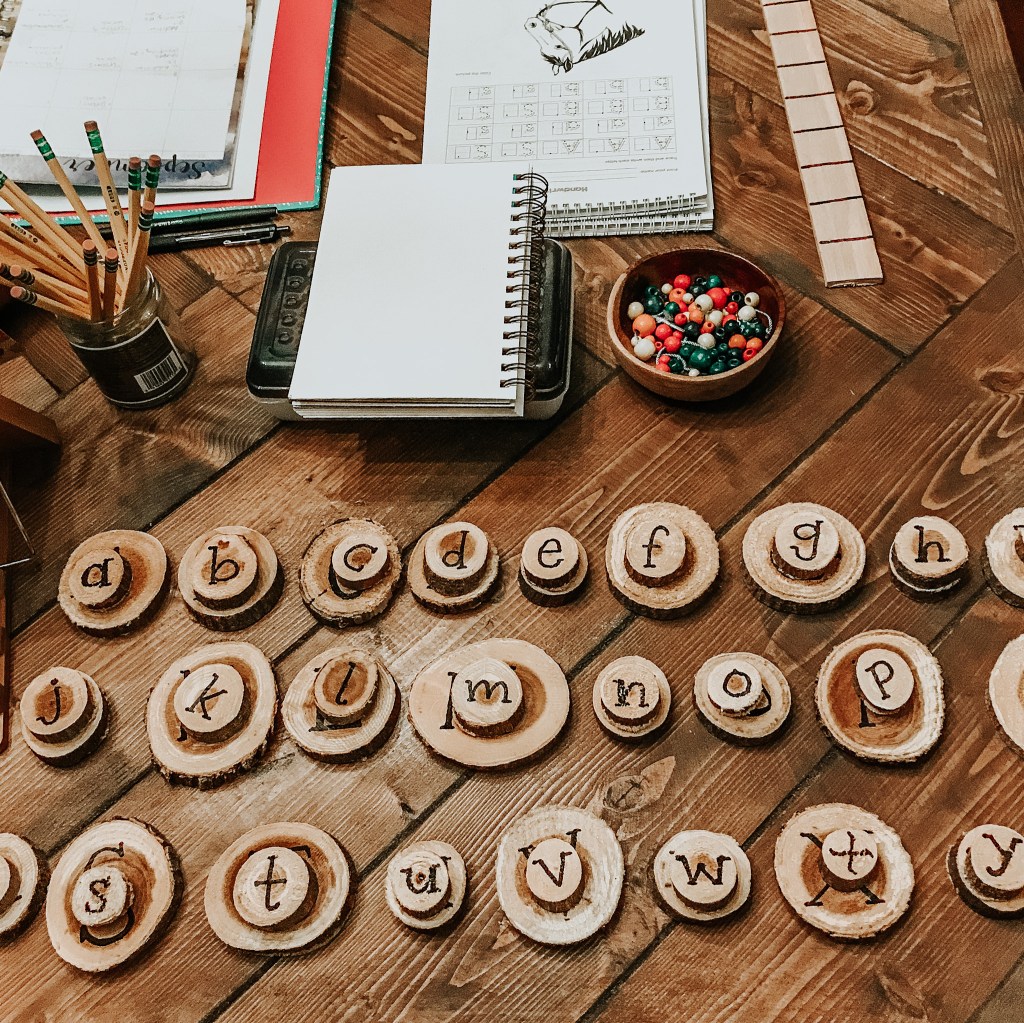
DIY Moveable Alphabet
Make something with the kids you can use for years to come. The concept of a moveable alphabet has roots in Montessori and are a great tool for teaching early reading skills. Since the kinds you can buy can be quite expensive, make your own! We used wood slices and drew uppercase letters on the large slices and lowercase letters on the small ones using a permanent marker. If you are interested in following a more rigid Montessori structure of utilizing a moveable alphabet, I recommend you hop over to Pinterest and do a quick search. Our approach is a little bit looser, some options for play including:
- Match uppercase and lowercase letters
- Sort vowels and consonants
- Create short vowel words
- Use picture flashcards or items around the house and spell the object using letters
If attention spans start dwindling, break it up and use the slices to build houses, stack them to make forts and arches, balance them like Stonehenge, even make mythical tree creatures.
Quick tip: The Montessori version uses a different color for vowels and consonants, which is another great idea to consider when making your own!

I hope these ideas bring some fun and playfulness into your home this week! Young ones learn so well through play, and it doesn’t have to be expensive or time consuming to add some enchantment into learning at home.
 wild folk